Menthari: A Versatile and Elegant Handwritten Font for Design Projects
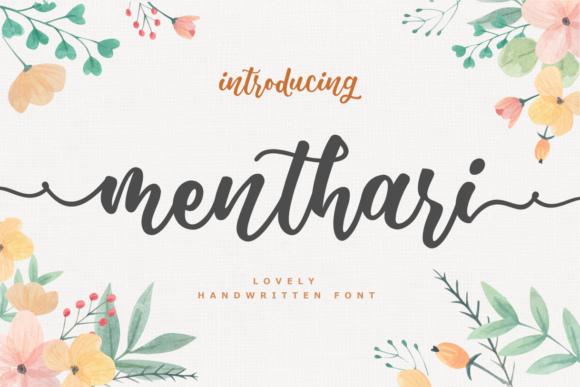
Menthari is a handwritten font that has gained popularity among designers, especially those looking for a touch of elegance and flow in their work. Known for its smooth lines, varying baseline, and beautiful glyphs, Menthari offers a unique aesthetic that can enhance a wide range of design projects. From wedding invitations to business cards, this font provides a personal and artistic feel that many find appealing.
What Makes Menthari Stand Out?
Menthari distinguishes itself through its natural, flowing style, which mimics the look of handwritten text. Unlike more rigid typefaces, Menthari features a varying baseline, giving it a more organic and dynamic appearance. This characteristic makes it particularly suitable for designs that aim to convey warmth, creativity, or a handmade quality. The font also includes a variety of alternates, allowing users to customize the look and add visual interest to their work.
The glyphs in Menthari are carefully crafted to maintain consistency while still offering a sense of movement. This balance between structure and fluidity is what makes the font both readable and visually engaging. Whether used in a single line or across multiple lines, Menthari retains its charm and legibility, making it a practical choice for various applications.
Why Consider Menthari?
Designers often turn to Menthari when they want to add a personal touch to their work. Its elegant and flowing nature makes it ideal for projects that require a handwritten feel, such as wedding invitations, thank you cards, and greeting cards. The font’s versatility allows it to be used in both digital and print formats, providing flexibility for different design needs.
For businesses or individuals looking to create a unique brand identity, Menthari can serve as a strong foundation. It works well with logos, business cards, and other marketing materials, helping to establish a distinctive visual presence. The font’s ability to blend seamlessly with other design elements makes it a valuable addition to any designer’s toolkit.
Benefits of Using Menthari
One of the primary benefits of Menthari is its ability to add a human element to digital designs. In an era where many designs rely on clean, geometric fonts, Menthari offers a refreshing alternative that feels more personal and authentic. This can be especially beneficial for brands or individuals aiming to connect with their audience on a more emotional level.
Another advantage of Menthari is its ease of use. The font is available in multiple weights and styles, making it adaptable to different design requirements. Additionally, its smooth lines and consistent spacing ensure that it remains readable even at smaller sizes, which is essential for applications like business cards or labels.
Considerations and Tradeoffs
While Menthari offers many advantages, it may not be the best choice for every project. Its flowing style, while aesthetically pleasing, may not be suitable for designs that require a more formal or structured appearance. In such cases, a more traditional serif or sans-serif font might be a better fit.
Additionally, because Menthari is a handwritten font, it may not pair as well with certain other typefaces. Designers should consider how the font interacts with other elements in their layout to ensure a cohesive and balanced design. Testing different combinations can help identify the most effective approach.
Situations Where Menthari Shines
Menthari is particularly well-suited for projects that emphasize creativity, emotion, or a handmade aesthetic. For example, it works exceptionally well in wedding invitations, where the font’s elegance can complement the overall theme. It also shines in quote cards, social media graphics, and other designs that benefit from a personal, artistic touch.
Businesses targeting a niche or creative market may find Menthari to be a powerful tool for differentiation. By incorporating this font into their branding, they can create a distinct identity that stands out from more conventional designs. However, it’s important to ensure that the font aligns with the brand’s overall message and audience expectations.
When Alternatives May Be Better
In some cases, alternatives to Menthari may be more appropriate. For instance, if a design requires a high level of readability or a more professional tone, a serif or sans-serif font could be a better option. Fonts like Georgia, Garamond, or Helvetica offer clarity and structure that may be more suitable for certain applications.
Additionally, for projects that require a modern or minimalist look, a clean, geometric font might be preferable. These fonts tend to be more versatile and easier to pair with other design elements, making them a practical choice for a wide range of uses.
Decision-Making Insights
When deciding whether to use Menthari, it’s important to consider the specific goals of the project. If the objective is to create a warm, personalized feel, Menthari can be an excellent choice. However, if the design requires a more formal or structured appearance, alternative fonts may be more appropriate.
Testing the font in different contexts can also provide valuable insights. Designers should experiment with Menthari in various layouts and sizes to see how it performs. This process can help determine whether it meets the needs of the project and whether adjustments are necessary.
Ultimately, the decision to use Menthari depends on the designer’s goals and the intended audience. By understanding the strengths and limitations of the font, users can make informed choices that enhance their work and achieve the desired outcome.