Almanak: A Timeless Handwritten Font for Elegant Design
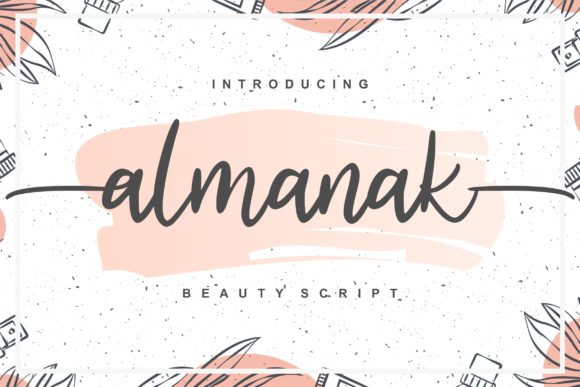
Almanak is a distinctive handwritten font that captures the essence of personal touch and artistic expression. Its delicate strokes and elegant curves make it ideal for designs that require a human, organic feel. Whether used in wedding invitations, thank you cards, or logos, Almanak adds a sense of warmth and sophistication that sets it apart from more rigid typefaces.
What Makes Almanak Unique?
Unlike many digital fonts that aim for uniformity, Almanak embraces the imperfections of handwriting. This characteristic gives it a natural, almost personal quality that resonates with audiences looking for authenticity. The font’s subtle variations in line weight and spacing mimic the way a person might write by hand, making it feel more approachable and genuine.
Its versatility allows it to adapt to various design contexts without losing its identity. From formal documents to casual greetings, Almanak maintains a consistent aesthetic that feels both refined and accessible. This balance between elegance and informality is one of its strongest attributes.
Almanak in Different Design Contexts
Wedding invitations often benefit from the softness of Almanak. It can convey the intimacy and personal nature of the event while maintaining a level of formality. When paired with complementary typefaces, it creates a visual harmony that enhances the overall design.
Thank you cards and greeting cards also see significant value in using Almanak. These pieces often rely on emotional connection, and the font’s handwritten appearance reinforces that sentiment. It can transform a simple message into something more meaningful and memorable.
In branding, Almanak offers a unique alternative to more traditional corporate fonts. It can be used for logos, business cards, or packaging to communicate a brand’s personality in a more human and relatable way. However, it may not suit all industries, particularly those requiring a more rigid or professional look.
Comparing Almanak with Similar Fonts
When considering alternatives to Almanak, designers often look at other handwritten fonts like Pacifico, Great Vibes, or Lobster. Each of these has its own strengths and limitations. For example, Pacifico is more playful and fluid, while Great Vibes leans toward a more ornate style. Lobster, on the other hand, has a bolder, more dramatic presence.
Almanak sits in a niche between these options. It avoids the overly stylized look of some fonts while still retaining the charm of a handwritten script. This makes it a better fit for projects that require subtlety and refinement rather than bold expression.
For those seeking a more structured alternative, serif fonts like Georgia or Times New Roman offer a classic, reliable option. These are often preferred in formal or professional settings where clarity and readability are paramount. However, they lack the personal touch that Almanak provides.
Strengths and Tradeoffs of Almanak
The primary strength of Almanak lies in its ability to add a human element to design. It can make a piece feel more personal, which is especially valuable in marketing materials, invitations, or creative projects. Its legibility is another key advantage, as it remains readable even at smaller sizes.
However, Almanak may not be suitable for every situation. In large blocks of text, its intricate details can become difficult to read, especially for those with visual impairments. This limits its use in body copy or long-form content.
Another consideration is the font’s availability. While Almanak is widely used, it may not be included in all design software or platforms. Users may need to purchase or license it separately, which could be a barrier for some.
When Almanak Is the Right Choice
Almanak excels in situations where a personal, handwritten feel is desired. It works well for small-scale projects such as social media graphics, logo designs, or custom illustrations. Its elegance makes it an excellent choice for luxury brands or events that emphasize craftsmanship and detail.
It is also a strong option for designers who want to add a unique touch without overwhelming the viewer. By using Almanak sparingly, they can create a focal point that draws attention without sacrificing readability.
When to Consider Alternatives
If the goal is to convey professionalism or authority, a more structured font may be more appropriate. For instance, in corporate reports, technical documents, or legal materials, the clarity and consistency of a sans-serif or serif font may be more effective.
For projects that require a more dynamic or modern look, other fonts might be better suited. Fonts with geometric shapes or bold outlines can provide a stronger visual impact, especially in digital environments where clarity and contrast are essential.
Practical Use Cases for Almanak
One common application of Almanak is in wedding stationery. Couples often choose this font to reflect the personal and heartfelt nature of their ceremony. It pairs well with floral elements, calligraphy borders, or minimalist layouts, offering a balanced aesthetic that feels both timeless and contemporary.
Businesses that want to stand out in a crowded market may also find value in Almanak. A boutique store, artisanal brand, or independent designer can use it to differentiate themselves from competitors. It conveys a sense of care and individuality that aligns with the values of many modern consumers.
Conclusion: Choosing the Right Font for Your Needs
Almanak is a powerful tool for designers seeking a handwritten aesthetic that feels authentic and refined. Its unique qualities make it ideal for specific applications where personalization and elegance are important. However, it is not a one-size-fits-all solution.
By understanding the strengths and limitations of Almanak, users can make informed decisions about when and how to use it. Whether it’s the right choice depends on the project’s goals, audience, and context. For those looking to add a touch of warmth and character, Almanak offers a compelling option worth exploring.