Salmanda: A Versatile and Elegant Handwritten Font for Designers
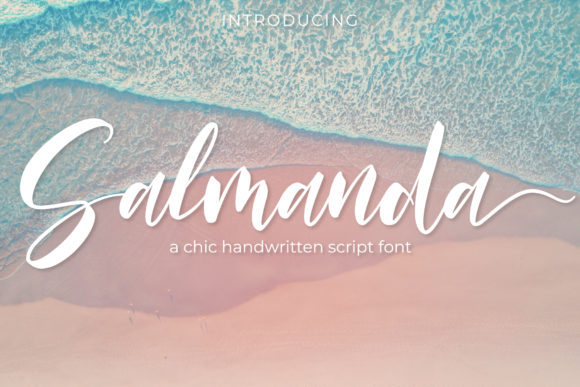
Salmanda is a handwritten font that combines charm with elegance, making it a popular choice for a variety of design projects. Its unique style gives it a personal touch that can enhance the visual appeal of any work that requires a more organic feel. Whether used in wedding invitations, thank you cards, or logos, Salmanda offers a distinctive aesthetic that stands out from standard typefaces.
One of the key features of Salmanda is its PUA encoding, which allows users to access all of the glyphs and swashes without needing special software or additional tools. This makes it particularly user-friendly for designers who want to incorporate custom elements into their work without technical barriers. The font's flexibility means it can be adapted to different formats and styles, offering a wide range of creative possibilities.
What Makes Salmanda Distinct?
Salmanda distinguishes itself through its natural, hand-drawn appearance. Unlike many digital fonts that have a rigid structure, Salmanda mimics the irregularities of real handwriting, giving it a warm and approachable quality. This characteristic makes it ideal for projects that aim to convey a sense of authenticity or personal connection.
The font’s design also includes a range of stylistic alternates and ligatures, allowing for greater customization. These features enable designers to fine-tune the look of their text to better match the tone and intent of their work. For instance, a designer might choose a more flowing version of certain letters for a romantic theme, while using a more structured variant for a professional setting.
Another notable aspect of Salmanda is its versatility across different mediums. It works well in both print and digital formats, ensuring consistency whether it’s used on a business card or a website. This adaptability makes it a valuable tool for designers working on multi-platform projects.
Comparing Salmanda with Similar Options
When considering handwritten fonts, Salmanda often comes up alongside other similar options such as Brush Script, Lobster, or Great Vibes. Each of these fonts has its own strengths and limitations, and the choice between them depends on the specific needs of a project.
Brush Script, for example, is known for its bold, expressive strokes, which make it suitable for headlines and titles. However, it may not be as effective for longer blocks of text due to its less legible nature. In contrast, Salmanda offers a more balanced approach, maintaining readability while still retaining a personal touch.
Lobster, another popular option, has a more stylized and decorative appearance. It’s often used in branding or marketing materials where a strong visual identity is needed. While Lobster can create a striking impact, it may not be as appropriate for subtle or understated designs. Salmanda, on the other hand, provides a more refined and adaptable alternative that can fit a broader range of applications.
Great Vibes is another font that shares some similarities with Salmanda, particularly in its cursive style. However, Great Vibes tends to be more ornate and less practical for everyday use. Salmanda’s simpler yet elegant design makes it a more versatile choice for a wider array of projects.
Strengths and Tradeoffs of Using Salmanda
One of the main strengths of Salmanda is its ability to add a human element to design work. This can be especially beneficial in industries such as hospitality, education, or personal services, where a warm and inviting tone is important. Its handwritten appearance can help create a more relatable and engaging experience for the audience.
Another advantage is the ease of access to its full character set. With PUA encoding, users can easily access all the glyphs and swashes without the need for complex workflows. This simplifies the design process and allows for greater creative freedom.
However, there are some tradeoffs to consider. Salmanda may not be the best choice for projects that require high levels of legibility, such as body text in long documents or signage. Its script style, while aesthetically pleasing, can sometimes be difficult to read at smaller sizes or in low-light conditions.
Additionally, while Salmanda is versatile, it may not always be the most appropriate choice for every design context. In situations where a more formal or modern look is required, other fonts may be more suitable. It’s important to evaluate the overall tone and purpose of the project before deciding on a font.
Best Fit Situations for Salmanda
Salmanda is particularly well-suited for projects that benefit from a personal or artistic touch. Wedding invitations, for instance, often use handwritten fonts to convey a sense of intimacy and individuality. Salmanda’s elegant style can complement this by adding a refined and sophisticated look to the design.
Thank you cards and greeting cards are other common applications where Salmanda shines. These types of designs often aim to express gratitude or celebration, and the font’s warm appearance can enhance the emotional impact of the message. Its versatility also allows it to be used in both casual and formal settings, depending on the design choices made.
In branding and logo design, Salmanda can be an effective tool for creating a unique and memorable identity. When used strategically, it can help differentiate a brand from competitors while still maintaining a professional and polished look. However, it’s important to ensure that the font complements the overall brand strategy and doesn’t overshadow other design elements.
Limitations and Decision Factors
While Salmanda is a powerful tool, it’s not without its limitations. One of the primary considerations is the font’s suitability for different contexts. For example, in corporate or technical environments, a more structured and clean font may be preferred over a handwritten style. In such cases, Salmanda may not align with the desired tone or image.
Another factor to consider is the target audience. If the audience is primarily looking for clarity and precision, a handwritten font like Salmanda may not be the best choice. However, if the goal is to create a more personal or artistic connection, then it can be an excellent option.
Designers should also take into account the medium in which the font will be used. While Salmanda performs well in print and digital formats, its effectiveness may vary depending on the resolution and display capabilities. Testing the font in different environments can help ensure that it meets the project’s requirements.
When Salmanda Is the Right Choice
Salmanda is an ideal choice when the goal is to add a personal and elegant touch to a design. It works well for projects that emphasize creativity, emotion, or individuality. For example, in the case of a small business owner looking to create a unique logo, Salmanda can provide a distinctive and memorable visual identity.
It’s also a good option for designers who want to experiment with different styles and expressions. The font’s flexibility allows for a wide range of creative applications, making it a valuable addition to any designer’s toolkit. By understanding the strengths and limitations of Salmanda, designers can make informed decisions about when and how to use it effectively.