El Katana: A Stylish and Versatile Decorative Font for Creative Projects
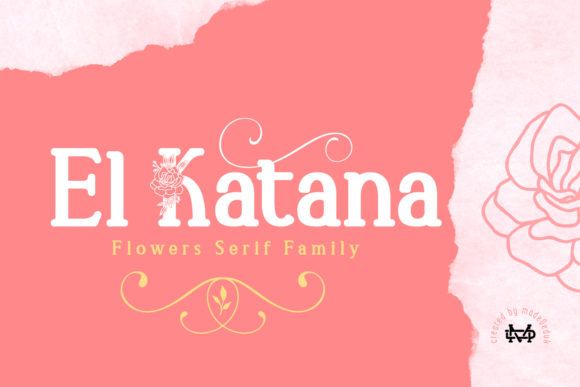
El Katana is a decorative font that stands out for its elegant and distinctive design. It combines the sharpness of a blade with the grace of typography, making it ideal for projects that require a touch of sophistication. Whether used in logos, quotes, or invitations, El Katana adds a unique visual flair that can elevate any design.
What Makes El Katana Unique?
El Katana distinguishes itself through its bold yet refined structure. The font features intricate details that give it a handcrafted feel, while maintaining readability across different sizes. Its curves and angles are carefully balanced to create a sense of movement and energy, which makes it particularly effective for eye-catching headlines and titles.
Unlike many other decorative fonts that may sacrifice clarity for style, El Katana manages to retain legibility even at smaller sizes. This makes it suitable for a wide range of applications, from digital media to print materials. The font also includes a variety of weights and styles, allowing users to adapt it to different design needs without losing its character.
Comparing El Katana to Similar Fonts
When considering decorative fonts, designers often look at options like Playfair Display, Great Vibes, or Lobster. Each of these fonts has its own strengths and use cases. For example, Playfair Display is known for its classic, serif-based elegance, while Lobster offers a more casual, playful aesthetic. El Katana falls somewhere in between, offering a balance of formality and creativity.
One key difference is that El Katana incorporates elements that evoke a sense of motion and strength, which is not as prominent in other similar fonts. This makes it especially well-suited for designs that aim to convey power, precision, or artistic expression. However, this distinctiveness also means that it may not be the best fit for every project, depending on the desired tone and message.
Strengths and Best-Fit Situations
El Katana excels in situations where a strong visual identity is needed. It works well for branding purposes, such as creating a logo that needs to stand out while still being professional. Its versatility allows it to be used in both modern and traditional contexts, depending on how it’s paired with other design elements.
The font is also beneficial for projects that require a personal or artistic touch. For instance, wedding invitations, art gallery posters, or book covers can benefit from the unique character of El Katana. It adds a layer of sophistication that can make a design feel more exclusive or high-end.
Another advantage of El Katana is its adaptability. It can be used in conjunction with other fonts to create a layered typographic hierarchy. For example, pairing it with a sans-serif font for body text can help maintain readability while still highlighting the decorative aspects of El Katana.
Tradeoffs and Limitations
While El Katana offers many benefits, it is not without its limitations. One potential drawback is that its stylized nature may not be suitable for all audiences or industries. In more conservative or formal settings, a simpler font might be preferred to avoid appearing too flashy or unprofessional.
Additionally, because of its detailed design, El Katana may not render as clearly on low-resolution screens or in certain print formats. Designers should test the font in different environments to ensure it maintains its intended appearance. This is especially important for digital projects where accessibility and clarity are key considerations.
Another tradeoff is that El Katana may require more careful spacing and kerning compared to simpler fonts. This can add time to the design process, particularly for those who are not familiar with adjusting typography for decorative styles. However, with proper attention to detail, these challenges can be overcome.
When El Katana Is the Right Choice
El Katana is an excellent choice when the goal is to create a memorable and visually striking design. It works well for creative industries such as fashion, art, and entertainment, where a unique visual identity is essential. For example, a boutique brand looking to differentiate itself could use El Katana in its logo to communicate a sense of craftsmanship and individuality.
It is also a good option for projects that require a sense of drama or emotion. Quotes, motivational posters, or event announcements can benefit from the font’s expressive qualities. Its ability to convey both strength and elegance makes it a versatile tool for designers who want to make a statement.
In presentations or slideshows, El Katana can be used to highlight key points or emphasize important messages. When used sparingly, it can draw attention without overwhelming the audience. This makes it a valuable asset for professionals who need to communicate ideas effectively while maintaining a polished appearance.
When to Consider Alternatives
There are scenarios where a different font might be more appropriate. For instance, if the primary goal is clarity and simplicity, a clean sans-serif font like Helvetica or Arial could be a better fit. These fonts are widely recognized and easy to read, making them ideal for long-form text or information-heavy designs.
For projects that require a more subtle or minimalist approach, a font with a simpler structure may be preferable. This is often the case in corporate or academic settings, where the focus is on professionalism rather than visual flair. In such instances, alternatives like Lato or Open Sans could provide a more neutral and functional solution.
Designers should also consider the target audience when choosing a font. What works well for a young, trendy brand may not resonate with a more traditional or established business. Understanding the preferences and expectations of the audience can help guide the selection of the most appropriate typeface.
Practical Tips for Using El Katana
To get the most out of El Katana, start by experimenting with different weights and styles to find the one that best suits your project. Testing the font in various sizes and contexts can help identify any potential issues with readability or visual balance.
Pairing El Katana with complementary fonts can enhance its impact. For example, using a modern sans-serif for body text can create a contrast that highlights the decorative elements of El Katana without clashing. This approach can help maintain a cohesive and professional look while still allowing the font to shine.
Finally, always consider the medium in which the design will be used. Whether it’s a website, a printed document, or a social media graphic, ensuring that El Katana looks its best in each format is essential. This may involve adjusting spacing, line height, or other typographic elements to achieve the desired result.