Wistopher Signature: A Stylish Handwritten Font for Creative Projects
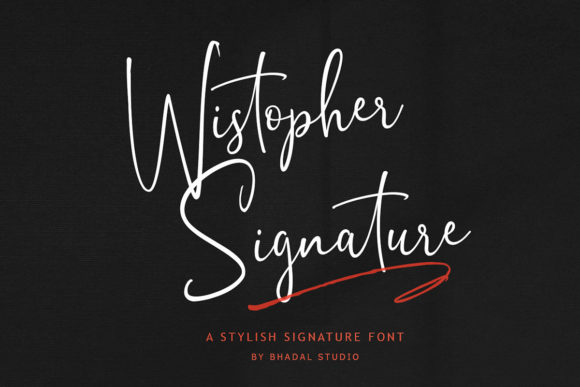
Wistopher Signature is a distinctive handwritten font that blends elegance with readability. Designed for users who want a personal, artistic touch in their work, it offers a natural, flowing style that mimics real handwriting. This makes it ideal for projects where a human element is desired, such as logos, watermarks, and creative designs.
Unlike many digital fonts that prioritize uniformity, Wistopher Signature embraces the irregularities of hand-drawn lettering. This characteristic gives it a unique charm, making it stand out in a sea of more rigid typefaces. Its versatility allows it to be used across various mediums, from print to digital formats, without losing its character.
What Makes Wistopher Signature Unique?
One of the key features of Wistopher Signature is its balance between style and functionality. While it has a strong visual presence, it remains easy to read, even at smaller sizes. This makes it suitable for a wide range of applications, including business cards, album covers, and website headers.
The font’s design incorporates subtle variations in stroke width and letter spacing, which contribute to its organic feel. These details make it feel more authentic than many other stylized fonts that can appear artificial or overly decorative. For designers looking for a font that feels personal and expressive, Wistopher Signature is a compelling choice.
Another advantage of Wistopher Signature is its adaptability. It works well in both minimalist and bold design contexts. Whether used as a primary text element or as an accent, it maintains its integrity and visual appeal. This flexibility makes it a valuable addition to any designer’s toolkit.
Comparing Wistopher Signature to Similar Fonts
When evaluating handwritten fonts, it's important to consider how they compare in terms of style, readability, and usability. Wistopher Signature sits in a category that includes fonts like Brush Script, Lobster, and Great Vibes. Each of these fonts has its own strengths, but Wistopher Signature distinguishes itself through its clean, consistent structure.
Brush Script, for example, is known for its fluid, cursive style, but it can sometimes be difficult to read at smaller sizes. In contrast, Wistopher Signature maintains legibility while still offering a stylish appearance. This makes it a better option for projects where clarity is essential, such as signage or printed materials.
Lobster and Great Vibes are also popular choices for decorative typography, but they tend to have a more exaggerated, ornate look. While this can be appealing for certain design purposes, it may not be suitable for all applications. Wistopher Signature provides a more restrained yet equally elegant alternative that can fit into a broader range of design styles.
For users who prefer a more modern or geometric approach, fonts like Montserrat or Raleway offer a clean, professional look. However, these fonts lack the personal, handwritten quality that Wistopher Signature brings to the table. If the goal is to convey a sense of authenticity or individuality, Wistopher Signature is often the better choice.
Best Use Cases for Wistopher Signature
Wistopher Signature is particularly well-suited for projects that require a personal or artistic touch. One common use is in logo design, where the font can add a unique identity to a brand. Its handwritten style can help differentiate a business from competitors, especially in industries that value creativity and individuality.
It is also a popular choice for watermarks on photography. When used as a watermark, Wistopher Signature can subtly reinforce a photographer’s brand or signature without distracting from the image itself. Its soft, flowing lines blend well with visual content, making it an effective and aesthetically pleasing option.
Business cards and stationery are another area where Wistopher Signature shines. The font adds a refined, professional look that can enhance the overall presentation of a company. It works well in both traditional and modern design schemes, making it a versatile choice for professionals who want to stand out.
In addition, Wistopher Signature is often used in album covers, book titles, and other creative media. Its visual appeal helps draw attention and create a memorable impression. For artists and designers, this font can serve as a powerful tool for expressing their unique style.
Considerations and Limitations
While Wistopher Signature offers many benefits, it may not be the best choice for every project. One limitation is its suitability for large blocks of text. Due to its stylistic nature, it is generally more effective as a headline or accent font rather than a body text option. For long paragraphs, a more traditional font may be more appropriate.
Another factor to consider is the availability of the font. Depending on the platform or software being used, Wistopher Signature may not be included by default. Users may need to download and install it separately, which could be a minor inconvenience for some.
Additionally, the font’s aesthetic may not align with all design themes. In highly technical or minimalist environments, the handwritten style could feel out of place. Designers should evaluate whether the font’s character complements the overall vision of their project.
When to Choose Wistopher Signature
Wistopher Signature is an excellent choice when the goal is to add a personal, artistic flair to a design. It is particularly useful for projects that aim to convey warmth, creativity, or individuality. For example, a wedding invitation, a boutique branding project, or a custom illustration could benefit from the font’s unique style.
If the design requires a subtle, elegant touch, Wistopher Signature can provide just that. It is less flashy than some other handwritten fonts, making it a good option for those who want to maintain a professional appearance while still incorporating a personal element.
Ultimately, the decision to use Wistopher Signature depends on the specific needs of the project. It is best suited for applications where a handwritten feel enhances the message or visual impact. For users who value style, readability, and versatility, this font offers a compelling solution.
Alternatives to Consider
For those who find Wistopher Signature too stylized or not quite right for their needs, there are several alternatives worth exploring. Fonts like Pacifico, Dancing Script, or Fredoka One offer similar handwritten aesthetics but with different characteristics. Each of these fonts has its own strengths and limitations, so it’s important to test them in the context of the intended design.
Some designers may prefer a more structured approach, opting for fonts that combine the look of handwriting with greater consistency. In such cases, fonts like Lato or Open Sans can provide a clean, professional appearance while still offering a sense of personality.
Ultimately, the best font choice depends on the specific goals of the project. By understanding the strengths and weaknesses of different options, designers can make informed decisions that align with their creative vision.