Desert Strike: A Handwritten Font for Creative Expression
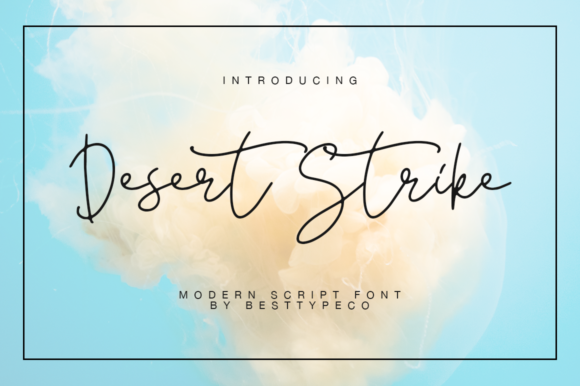
Desert Strike is a fresh and simple handwritten font that offers a unique blend of elegance and casual charm. Designed with a natural, organic feel, it mimics the look of hand-drawn letters, making it ideal for projects that require a personal touch. Its clean lines and subtle irregularities give it a warm, approachable aesthetic that stands out from more rigid typefaces.
Unlike many digital fonts that aim for uniformity, Desert Strike embraces imperfections. This characteristic makes it particularly well-suited for designs that benefit from a humanized appearance, such as invitations, branding elements, or visual storytelling. Its versatility allows it to work in both formal and informal contexts, depending on how it's applied.
What Makes Desert Strike Distinct?
One of the most notable features of Desert Strike is its balance between simplicity and character. It avoids the overly ornate details found in some script fonts while maintaining enough personality to feel expressive. This makes it accessible for a wide range of design applications without requiring advanced typographic knowledge.
The font’s structure is based on a natural handwriting style, which means it doesn’t follow strict geometric rules. This gives it a more authentic feel compared to other stylized fonts that may appear artificial or forced. The slight variations in stroke weight and letter spacing contribute to a sense of movement and energy, making it ideal for creative projects that aim to evoke emotion or storytelling.
Comparing Desert Strike to Similar Fonts
When considering alternatives, it's helpful to understand how Desert Strike compares to other handwritten or script fonts. For example, fonts like Brush Script or Pacifico offer a more fluid, flowing style, often used for artistic or decorative purposes. These can be excellent choices for logos or headlines but may not work as well in more text-heavy layouts due to their complexity.
In contrast, Desert Strike maintains a level of readability that makes it suitable for longer text blocks, such as quotes or captions. While it still retains a handwritten quality, it avoids the potential legibility issues that come with more elaborate script styles. This makes it a practical choice for designers who want the warmth of a hand-drawn font without sacrificing clarity.
Other options, such as Block Letters or Sans-Serif fonts, provide a more structured and modern look. These are often preferred for professional or minimalist designs. However, they lack the personal, tactile feel that Desert Strike brings to the table. The choice between these styles ultimately depends on the tone and message the designer wants to convey.
Best Fit Situations for Desert Strike
Desert Strike excels in situations where a personal, handmade aesthetic is desired. Greeting cards, for instance, benefit from its natural, inviting look. It can add a sense of authenticity and care that digital fonts sometimes miss. Similarly, business cards that use Desert Strike can stand out by offering a more memorable and distinctive visual identity.
Branding materials also benefit from the font’s ability to convey warmth and approachability. Companies looking to build a friendly, down-to-earth image might find it useful for taglines, logos, or promotional materials. Its simplicity ensures it doesn’t overpower the design, allowing other elements to shine while still contributing to the overall visual identity.
Posters and signage can also take advantage of Desert Strike’s readability and character. Whether used for event announcements, directional signs, or artistic displays, it adds a touch of creativity without compromising clarity. In these contexts, the font’s ability to maintain legibility at different sizes is an important factor.
Limitations and Tradeoffs
While Desert Strike has many strengths, it’s not always the best choice for every project. Its handwritten nature can make it less suitable for highly formal or technical documents where precision and consistency are critical. In such cases, a more structured typeface might be more appropriate.
Another consideration is the font’s availability. Unlike widely used typefaces, Desert Strike may not be as commonly found in standard design software or libraries. This could require additional steps to access or integrate into a project, especially for users unfamiliar with custom fonts.
Additionally, the font’s organic shape may not align with certain design trends or brand guidelines that prioritize a more polished or corporate look. Designers should evaluate whether the font’s character fits within the broader visual language of their project.
When to Choose Desert Strike Over Other Options
Desert Strike is a strong choice when the goal is to create a sense of individuality or intimacy. For example, a small business owner looking to differentiate their brand might find value in using this font to reflect a more personal, artisanal approach. It can also be effective in campaigns aimed at younger audiences who appreciate a more casual, authentic style.
When working on projects that emphasize storytelling or emotional connection, the font’s handwritten quality can enhance the narrative. This is particularly true for book covers, magazine layouts, or social media content where visual appeal plays a key role in engagement.
However, if the design requires a more neutral or professional tone, alternatives like Helvetica or Arial might be more appropriate. The decision ultimately comes down to the intended message and the audience being targeted.
Practical Examples of Use
Consider a wedding invitation that uses Desert Strike for the guest names and event details. The font’s natural flow can make the invitation feel more personal and heartfelt, adding to the overall experience. Similarly, a coffee shop’s logo that incorporates the font could communicate a sense of warmth and community, appealing to customers who value a cozy, local atmosphere.
On the other hand, a financial institution’s website would likely benefit from a more traditional font that conveys trust and reliability. In this case, using Desert Strike might unintentionally undermine the brand’s professional image. Understanding the context and audience is crucial when selecting the right typeface.
Conclusion: Making the Right Choice
Desert Strike is a versatile and expressive font that can add a unique touch to a wide range of design projects. Its handwritten style makes it ideal for creative, personal, or emotionally resonant work, while its readability ensures it remains functional in various applications. However, it’s important to consider the specific needs of each project and the expectations of the target audience.
By understanding the strengths and limitations of Desert Strike, designers can make informed decisions about when it’s the right choice and when another option might be more appropriate. Whether used for branding, marketing, or personal projects, its distinct character can help elevate the visual impact of any design.