Chedaty: A Unique Script Font for Creative Expression
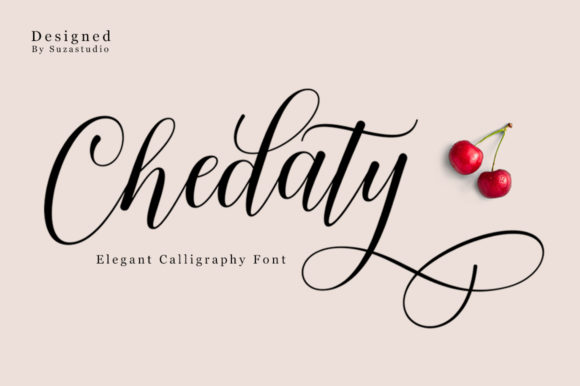
Chedaty is a distinctive script font that stands out with its irregular baseline and flowing, modern style. Designed for those who value both aesthetics and functionality, it offers a versatile solution for a wide range of creative projects. From wedding invitations to business cards, Chedaty brings a touch of elegance and personality to any design. Its adaptability makes it ideal for ink or watercolor applications, giving your work a handcrafted feel.
Why Chedaty Appeals to Creators and Professionals
Many designers and entrepreneurs choose Chedaty because it combines beauty with practicality. The font’s unique characteristics allow it to stand out in a crowded market, making it perfect for branding, marketing materials, and personal projects. Its irregular baseline adds a sense of movement and energy, which can elevate the visual appeal of any text.
For instance, a small business owner might use Chedaty on a logo to create a memorable brand identity. Similarly, a blogger could incorporate it into a header or title to add a personal touch to their website. Whether you're designing a greeting card or crafting a quote, Chedaty offers a fresh alternative to more traditional fonts.
Common Mistakes When Using Chedaty
Despite its appeal, some users may overlook key details when working with Chedaty. One common mistake is not considering the font’s readability in different contexts. While its flowing style is visually striking, it may not be suitable for long blocks of text. This can lead to poor legibility, especially in digital formats where clarity is essential.
Another oversight is failing to test the font in various sizes and settings. What looks great at 72 points might become difficult to read at 12 points. Additionally, some users may not realize that Chedaty’s irregular baseline requires careful spacing to maintain a balanced look. Without proper attention, the font can appear uneven or unprofessional.
How These Mistakes Affect Results
Using Chedaty without considering these factors can result in designs that are visually appealing but functionally flawed. For example, a wedding invitation with overly stylized text might confuse guests about the event details. In a professional setting, a logo with unclear typography could damage a brand’s credibility.
Moreover, improper use of Chedaty can lead to wasted time and resources. If a designer discovers too late that the font doesn’t work well in a specific format, they may need to rework the entire project, increasing costs and delays.
Practical Advice for Better Outcomes
To avoid these issues, start by understanding the strengths and limitations of Chedaty. Use it in short, impactful text rather than lengthy paragraphs. Test the font at different sizes and in various layouts to ensure it remains readable and visually pleasing.
When working with Chedaty, pay close attention to spacing and alignment. Adjust letter spacing and line height as needed to create a harmonious appearance. For digital use, consider how the font will render on different devices and screen sizes.
Realistic Examples and Better Approaches
Instead of using Chedaty for body text in a brochure, try applying it to headings or captions. This allows the font to shine without compromising readability. For instance, a thank-you card could feature Chedaty in the main message while using a simpler font for the address and date.
When designing a logo, pair Chedaty with a clean, sans-serif font to create contrast and balance. This approach highlights the script’s uniqueness while maintaining professionalism. Similarly, for a watercolor project, use Chedaty to add a handwritten feel to a label or tagline.
What to Check Before Using Chedaty
Before finalizing your design, verify that Chedaty is available in the correct format for your project. Ensure it supports the languages and characters you need, especially if your work involves multiple scripts or special symbols. Also, check licensing terms to confirm that you’re allowed to use the font for commercial purposes.
Consider the platform where the font will be used. Some fonts may not display correctly on all operating systems or software. Always preview your work on different devices to ensure consistency.
Conclusion: Make the Most of Chedaty’s Potential
Chedaty is a powerful tool for anyone looking to add a personal and artistic touch to their designs. By understanding its strengths and limitations, you can use it effectively without falling into common pitfalls. With careful planning and attention to detail, Chedaty can enhance your creative work and help you stand out in a competitive market.