Braylen: The Elegant Handwritten Font for Every Creative Project
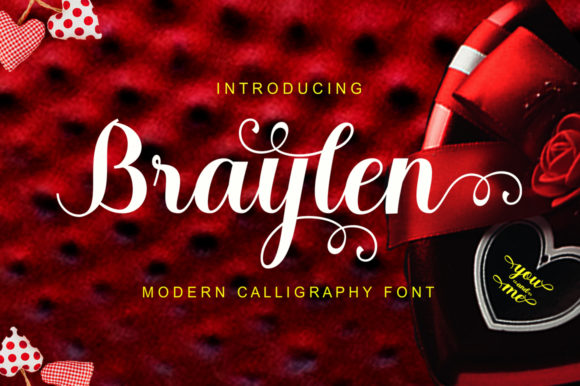
Braylen is more than just a font—it's a style statement. With its elegant, flowing script and natural handwritten feel, Braylen has become a go-to choice for designers, entrepreneurs, and creatives looking to add a touch of sophistication to their work. Whether you're designing wedding invitations, business cards, or social media graphics, Braylen offers a unique blend of beauty and versatility that can elevate any project.
What makes Braylen stand out is its attention to detail. From the varying baseline to the smooth lines and stunning alternates, every element of this font is crafted to look authentic and refined. It’s ideal for projects that require a personal, handcrafted feel without the hassle of actually writing by hand.
Why People Choose Braylen
Many designers and businesses opt for Braylen because it adds a sense of warmth and individuality to their designs. Unlike rigid, geometric fonts, Braylen mimics the natural flow of handwriting, making it perfect for creative projects that need a human touch. Its glyphs are beautifully formed, and the alternates allow for a more dynamic and varied appearance, which can prevent designs from looking repetitive or flat.
For example, a small business owner creating a logo might choose Braylen to give their brand a more approachable and artistic vibe. Similarly, a blogger looking to design a header for their website could use Braylen to make their content feel more personal and engaging.
Common Mistakes When Using Braylen
While Braylen is versatile, it's not always used correctly. One common mistake is overusing the font in large blocks of text. Because it's a script font, Braylen can be difficult to read in long paragraphs. This can lead to poor readability, especially on digital screens where the details might not render as clearly as on printed materials.
Another mistake is not considering the context of the design. Braylen works best in situations where a handwritten aesthetic is appropriate, such as wedding invitations or greeting cards. However, using it in a corporate setting, like a report or a business proposal, may come across as unprofessional or inconsistent with the overall tone.
Some users also overlook the importance of proper spacing and alignment when working with Braylen. Since it has a varying baseline, the letters don’t all sit on the same line, which can create visual imbalance if not carefully adjusted. This can affect the overall composition and make the design look messy or unpolished.
How to Avoid Common Pitfalls
To get the most out of Braylen, start by understanding its strengths and limitations. Use it in smaller quantities, such as headings, logos, or short phrases, rather than entire paragraphs. This ensures that the font remains legible while still maintaining its elegant appearance.
Before finalizing your design, test Braylen in different formats. Print a sample to see how it looks on paper, and view it on various devices to ensure it renders clearly. This helps catch any issues with spacing, alignment, or legibility that might not be obvious on a screen.
Also, take advantage of the alternates provided with the font. These alternate characters allow for more variation and can help prevent repetition in your design. For instance, instead of using the same letter shape throughout, mix in different versions to create a more natural and visually interesting result.
What to Check Before Using Braylen
Before downloading or purchasing Braylen, verify that it’s licensed for your intended use. Some fonts have restrictions on commercial projects, so it’s important to check the terms of use to avoid legal issues down the line.
Additionally, consider the platform or software you’ll be using. Braylen may behave differently depending on whether you’re working in Adobe Illustrator, Photoshop, or a web-based design tool. Make sure it’s compatible with your workflow and that you have access to the necessary features, such as OpenType support for alternates.
Finally, explore different variations of Braylen if available. Some fonts come in multiple weights or styles, and choosing the right one can make a big difference in how your design looks and feels.
Realistic Examples of Better Choices
Instead of using Braylen for a full-page newsletter, try pairing it with a more readable sans-serif font for the body text. This creates a balanced design that’s both stylish and functional. For instance, use Braylen for the headline and subheadings, and a clean font like Helvetica or Arial for the main content.
If you’re designing a logo, consider using Braylen in combination with a simple icon or graphic. This helps reinforce the brand’s identity while keeping the design from becoming too busy. A minimalist approach often yields the best results with a font like Braylen.
When working on a website, use Braylen sparingly—perhaps for a call-to-action button or a featured section. This keeps the design modern and professional while still incorporating the elegance of the font.
Final Thoughts on Using Braylen
Braylen is a powerful tool for anyone looking to add a handwritten touch to their designs. But like any font, it requires thoughtful application to achieve the best results. By avoiding common mistakes, understanding its strengths, and using it in the right context, you can unlock its full potential and create designs that are both beautiful and effective.
Whether you're a beginner exploring typography or a seasoned designer looking for a fresh style, Braylen offers a unique opportunity to bring personality and artistry into your work. Just remember to use it wisely and let its elegance shine through without overwhelming your design.