Teratai: Create Gorgeous and Timeless Designs with a Unique Handwritten Font
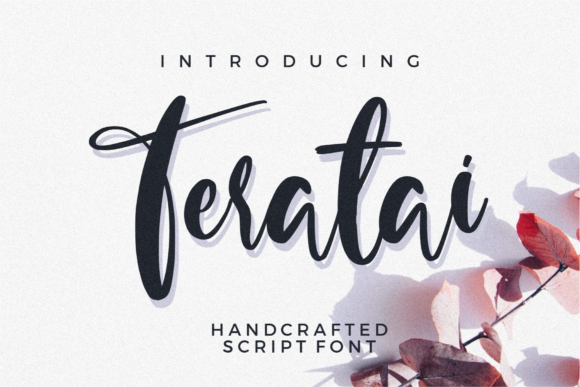
In a world where visual identity plays a crucial role in communication, the right font can make all the difference. Teratai is more than just a typeface—it's a creative tool that brings personality, elegance, and authenticity to any design project. Whether you're crafting a logo, designing an invitation, or preparing a presentation, Teratai offers a distinctive handwritten style that stands out from the crowd. Its unique character makes it ideal for those who want to add a touch of sophistication without sacrificing clarity or readability.
As digital design continues to evolve, there's a growing appreciation for fonts that feel human and expressive. Teratai fits perfectly into this trend, offering a balance between artistry and functionality. Its fluid lines and natural flow give it a warm, approachable feel that resonates with modern audiences. This makes it especially valuable for professionals and creators looking to differentiate their work in a saturated market.
Why Teratai Matters in Modern Design
The rise of personal branding and custom design has made unique typography more important than ever. Businesses, artists, and content creators are increasingly turning to fonts like Teratai to create a signature look that reflects their values and vision. Unlike standard typefaces, which often feel generic, Teratai adds a sense of individuality that can help a brand stand out.
For example, a small business owner might use Teratai on a business card to convey a more personal and artisanal image. A designer could incorporate it into a website header to create a visually engaging experience. Even educators and bloggers may find value in using Teratai for titles or captions, adding a stylish flair to their content without overwhelming the reader.
Moreover, as remote work and digital collaboration become more common, the need for versatile and accessible design tools has increased. Fonts that are easy to use and compatible across platforms are essential. Teratai’s PUA encoding ensures that users have full access to its glyphs and swashes, making it simple to customize and adapt the font for different projects.
Trends Shaping the Use of Handwritten Fonts
Handwritten fonts have seen a surge in popularity over the past few years, driven by a shift toward more authentic and human-centric design. This trend aligns with broader cultural movements that prioritize individuality, creativity, and emotional connection. In marketing, for instance, brands are using handwritten styles to build trust and create a more relatable image.
This shift is also reflected in how people consume information. With so much digital content available, designs that feel more personal and intentional tend to capture attention more effectively. Teratai’s organic structure and subtle variations make it ideal for projects that aim to engage viewers on a deeper level.
Additionally, the increasing use of mobile devices and social media has influenced design preferences. Visual elements that are both aesthetically pleasing and easy to read on smaller screens are in high demand. Teratai’s clean yet expressive style meets this need, offering a font that works well in both print and digital formats.
Practical Applications of Teratai
The versatility of Teratai makes it suitable for a wide range of applications. From logos and packaging to presentations and social media graphics, it can be used to enhance visual storytelling. For businesses, this means greater flexibility in creating consistent branding across different channels.
Consider a wedding planner who uses Teratai for invitations and thank-you notes. The font’s elegant curves and soft edges add a romantic and refined touch, reinforcing the event’s theme. Similarly, a marketer might use it in a campaign to create a more personal and engaging tone, helping to connect with the target audience on an emotional level.
Another practical use of Teratai is in educational materials. Teachers and trainers can use it to make lesson plans, handouts, or slides more visually appealing. The font’s readability ensures that it remains effective for conveying information, while its stylistic elements add a creative dimension to the content.
How to Get the Most Out of Teratai
To fully leverage Teratai, it’s important to understand its strengths and limitations. While it excels in display settings, it may not be the best choice for long blocks of text. However, when used strategically, it can elevate the overall aesthetic of a design without compromising legibility.
One effective approach is to pair Teratai with a complementary sans-serif or serif font. This creates a balanced contrast that draws attention to key elements while maintaining visual harmony. For instance, using Teratai for headings and a simpler font for body text can result in a clean and professional layout.
Experimentation is also key. Designers should test different sizes, weights, and spacing to see how Teratai performs in various contexts. This helps ensure that the font complements the overall design rather than overpowering it.
Looking Ahead: The Future of Custom Typography
As design trends continue to evolve, the demand for customizable and expressive fonts is likely to grow. Tools that allow for greater control over typography, such as PUA-encoded fonts like Teratai, will become even more valuable. This gives designers and creators more freedom to express their unique vision.
At the same time, the focus on accessibility and usability will remain important. Fonts must not only look good but also function well across different platforms and devices. Teratai’s design philosophy aligns with these principles, offering a balance between artistic expression and practical application.
Ultimately, Teratai represents a thoughtful approach to typography—one that recognizes the importance of both form and function. By choosing a font that feels personal and meaningful, designers can create work that resonates with their audience and stands the test of time.