Abnormality: A Timeless Handwritten Font for Unique Design Needs
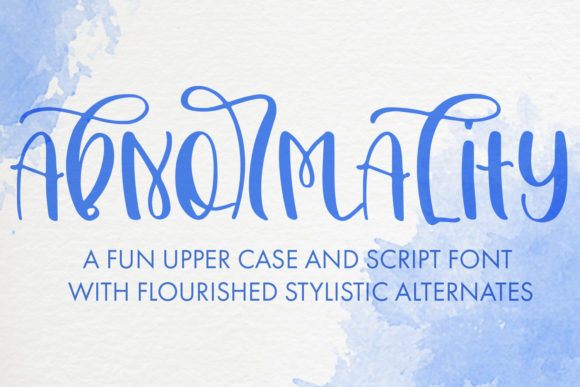
Abnormality is a distinctive handwritten font that stands out for its delicate, natural appearance. Unlike many digital fonts that aim for uniformity, Abnormality captures the essence of human handwriting, offering a personal and artistic touch. This makes it particularly appealing for projects where a warm, authentic feel is desired.
What Makes Abnormality Unique?
Abnormality’s design is rooted in the irregularities of real handwriting. Each letter carries subtle variations, giving it an organic quality that feels more approachable than rigid, machine-made fonts. This characteristic makes it ideal for designs that require a sense of intimacy or creativity.
The font’s versatility allows it to work well in both digital and print formats. Whether used in wedding invitations, thank you cards, or logos, Abnormality adds a layer of sophistication without overwhelming the overall composition. Its legibility remains strong even at smaller sizes, making it practical for a wide range of applications.
Comparing Abnormality with Other Handwritten Fonts
When considering handwritten fonts, designers often face a choice between styles that prioritize authenticity versus those that emphasize clarity. Abnormality falls into the former category, offering a more raw and expressive look compared to other options like Brush Script or Lobster. While these alternatives may have a more polished appearance, they sometimes lack the nuanced imperfections that make Abnormality stand out.
Fonts such as Pacifico or Great Vibes are also popular for similar use cases, but they tend to lean more toward a stylized, decorative aesthetic. Abnormality, by contrast, maintains a balance between elegance and naturalism, making it suitable for both formal and casual projects.
For those seeking a more modern take on handwritten typography, fonts like Quicksand or Nunito offer a cleaner, more structured alternative. However, these fonts typically lack the personal, handcrafted feel that Abnormality provides. The decision ultimately depends on the tone and message the designer wants to convey.
Strengths and Tradeoffs of Using Abnormality
One of Abnormality’s greatest strengths is its ability to add character to any design. It works well for branding that aims to feel more personal or artisanal. For example, a small business owner might use it on a logo to create a sense of trust and individuality. Similarly, a designer working on a wedding invitation could use it to evoke a sense of warmth and tradition.
However, Abnormality may not be the best choice for every project. Its irregularity can sometimes make it less readable in large blocks of text. For instance, using it in a long article or brochure might reduce readability and complicate the user experience. In such cases, a more conventional font would be more appropriate.
Another tradeoff is the need for careful pairing. Abnormality pairs well with sans-serif or minimalist fonts, which help balance its ornate qualities. When used alongside more complex typefaces, it can become visually overwhelming. Designers should consider how the font interacts with other elements in the layout to maintain harmony.
Best Fit Situations for Abnormality
Abnormality excels in scenarios where a personal, handwritten touch is valuable. Wedding invitations, for example, often benefit from its soft, elegant style. It can also enhance thank you cards, giving them a more heartfelt and sincere appearance. In these contexts, the font’s imperfections are seen as a positive feature rather than a drawback.
Logos for creative businesses, such as boutique shops or independent artists, can also benefit from Abnormality. It conveys a sense of originality and craftsmanship, which aligns with the values of such brands. Additionally, it can be used in social media graphics or promotional materials to create a more engaging and relatable visual identity.
For designers looking to add a unique flair to quotes or motivational posters, Abnormality offers a compelling option. Its organic shape gives the text a more dynamic and expressive quality, making it ideal for content that aims to inspire or connect emotionally.
When Abnormality Might Not Be the Right Choice
There are situations where Abnormality may not be the most effective choice. For example, in corporate or professional settings, a more structured and formal font might be preferred. A law firm or financial institution may find that the informal nature of Abnormality does not align with their brand image.
Similarly, when designing for accessibility, readability is a key concern. If a project requires high legibility for all users, including those with visual impairments, a simpler font may be necessary. Abnormality’s irregular shapes can make it harder to read in certain conditions, so this should be taken into account during the selection process.
Designers should also consider the target audience. If the intended viewers are more accustomed to clean, modern typography, Abnormality might not resonate as effectively. In such cases, a more conventional font could better meet the expectations of the audience.
Practical Examples and Use Cases
Consider a small bakery that wants to create a custom logo. Using Abnormality could help convey a sense of handmade quality and care, reinforcing the brand’s commitment to traditional baking methods. The font’s soft curves and slight variations would complement the warm, inviting atmosphere of the bakery.
On the other hand, a tech startup aiming for a sleek, modern image might opt for a different font. In this case, Abnormality could feel out of place, as it doesn’t align with the company’s desired aesthetic. Instead, a geometric or minimalistic font would better reflect the brand’s forward-thinking approach.
Another example is a book cover design. If the book has a literary or poetic theme, Abnormality could enhance the visual appeal by adding a personal, artistic touch. However, if the book is a technical manual or academic publication, a more straightforward font would be more appropriate.
Conclusion: Choosing the Right Font for Your Project
Abnormality is a powerful tool for designers who want to add a personal, handmade feel to their work. Its unique characteristics make it well-suited for projects that value authenticity and creativity. However, it is not a one-size-fits-all solution.
By understanding its strengths, limitations, and best-fit situations, designers can make informed decisions about when and how to use Abnormality. Whether it’s for a wedding invitation, a logo, or a quote, the font offers a distinctive option that can elevate the overall design while maintaining a natural, human touch.