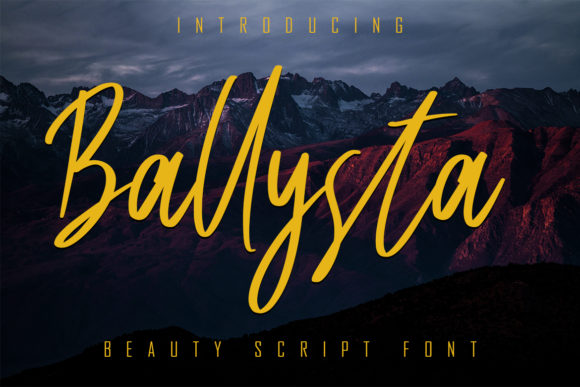
Ballysta: A Handwritten Font for Elegant Design
If you're looking for a font that brings warmth, personality, and a touch of sophistication to your designs, Ballysta is an excellent choice. This relaxed and flowing handwritten font has become a favorite among designers, entrepreneurs, and creatives who want to add a personal, authentic feel to their work. Whether it's for wedding invitations, logos, or social media graphics, Ballysta offers a unique blend of style and functionality that stands out in any project.
What Makes Ballysta Unique?
Ballysta is a handwritten font with a natural, organic flow that mimics the look of real pen strokes. Its soft curves and gentle flourishes give it a friendly, approachable vibe, making it ideal for projects that aim to connect emotionally with the audience. Unlike rigid typefaces, Ballysta feels more like a personal signature than a standard font, which makes it perfect for branding that values individuality and creativity.
The font’s design is both modern and timeless, blending elements of script and serif fonts to create something truly distinctive. Its PUA encoding ensures that all glyphs and swashes are easily accessible, giving designers full control over how they use the font in their work. This level of flexibility makes Ballysta a valuable addition to any design toolkit.
Where Ballysta Shines
Ballysta excels in projects that benefit from a handwritten touch. Wedding invitations, for instance, often rely on elegant typography to set the tone for the event. Ballysta adds a personal, heartfelt feel that complements the overall aesthetic of the invitation. Similarly, thank you cards and greeting cards can be elevated with this font, making them feel more thoughtful and genuine.
In logo design, Ballysta can help create a brand identity that feels authentic and trustworthy. It works well for businesses in the arts, fashion, food, and lifestyle sectors where a human element is key. For editorial design, such as magazine layouts or book covers, Ballysta can add visual interest without overwhelming the reader. Its readability at larger sizes makes it suitable for headings and subheadings, while its fluidity keeps the design from feeling too stiff.
For packaging design, Ballysta can bring a sense of craftsmanship and care to product labels. In web design and social media graphics, it can be used to highlight key messages or add a creative flair to banners and headlines. The font also pairs well with other typefaces, making it a versatile option for multi-font layouts.
How Ballysta Influences Design
Readability is a crucial factor when choosing a font, and Ballysta strikes a balance between style and clarity. While it’s not ideal for body text, it works exceptionally well in display settings where the goal is to catch attention and convey emotion. Its flowing lines and subtle variations make it easy on the eyes, even when used in longer phrases or titles.
In terms of visual hierarchy, Ballysta can be used to emphasize important information, such as headlines, call-to-action buttons, or featured content. Its distinct shape helps it stand out from more conventional fonts, making it a powerful tool for creating contrast and guiding the viewer’s eye through the design.
From a brand perception standpoint, Ballysta conveys a sense of creativity, authenticity, and warmth. It’s a great fit for brands that want to appear more approachable and human. When used consistently across marketing materials, it can reinforce brand recognition and build a cohesive visual identity.
Practical Tips for Using Ballysta
Before incorporating Ballysta into your project, consider the context and purpose of the design. If the goal is to create a professional yet personable look, Ballysta can be an effective choice. However, if the project requires a more formal or structured appearance, it may be better to pair it with a complementary typeface.
Testing font pairings is essential to ensure that Ballysta works well with other elements in the design. A sans-serif font like Montserrat or Lato can provide a clean, modern contrast, while a serif font like Playfair Display can add a classic touch. Experimenting with different combinations can help you find the right balance for your specific needs.
When evaluating the font’s suitability for a project, pay attention to how it looks in different sizes and formats. At smaller sizes, Ballysta may lose some of its detail, so it’s best to use it for larger text. Also, check how it renders on various devices and print materials to ensure consistency across platforms.
Understanding the commercial licensing of Ballysta is also important, especially if you plan to use it for business purposes. Make sure the license allows for the intended use, whether it's for personal projects, client work, or commercial distribution. This will help avoid any legal issues down the line.
Real-World Applications of Ballysta
Many small businesses and independent creators have successfully used Ballysta to enhance their branding. A boutique café might use it for their menu headers or signage, adding a cozy, artisanal feel to their space. A wedding planner could incorporate it into their website or promotional materials to reflect the elegance and personal touch of their services.
Bloggers and content creators often use Ballysta in social media posts, email newsletters, and website headers to make their content more engaging. Its handcrafted look can help differentiate their brand from others and create a more memorable visual identity.
For publishers and editors, Ballysta can be a great option for book covers, chapter headings, or editorial spreads that require a unique, artistic touch. Its versatility allows it to adapt to different styles and themes, making it a reliable choice for a wide range of publishing projects.