The Timeless Elegance of Mastura: A Font for Modern Creativity
In a world where digital design is constantly evolving, the need for unique, expressive typography has never been more critical. Among the many fonts available, Mastura stands out as a versatile and elegant choice that blends traditional charm with modern functionality. Whether you're designing wedding invitations, logos, or business cards, Mastura offers a handwritten touch that feels both authentic and refined. This font, which is PUA encoded, allows users to access all its glyphs and swashes effortlessly, making it an ideal tool for designers, entrepreneurs, and creatives who value both aesthetics and practicality.
What is Mastura?
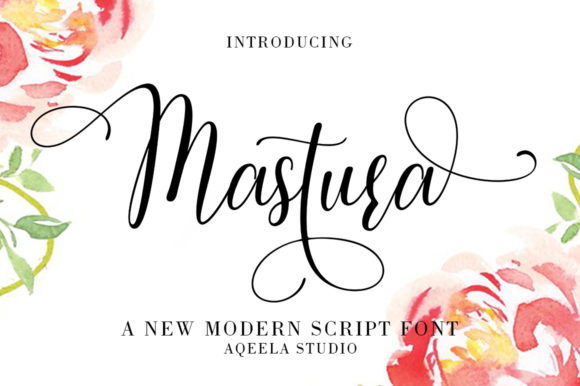
Mastura is a script font that captures the essence of handwritten calligraphy while maintaining a clean and professional appearance. Its fluid lines and graceful curves give it a sense of movement and elegance, making it suitable for a wide range of design applications. Unlike rigid, geometric typefaces, Mastura brings a personal and artistic flair to any project, allowing designers to convey emotion and sophistication without sacrificing readability.
One of the key features of Mastura is its PUA (Private Use Area) encoding. This means that all of its glyphs, including decorative swashes and alternative characters, are accessible without the need for complex keyboard layouts or special software. For designers who work with custom typography, this level of accessibility is invaluable. It ensures that every detail of the font can be utilized to its fullest potential, giving creators greater control over their visual storytelling.
The Growing Demand for Handwritten Typography
In recent years, there has been a noticeable shift in design trends toward more organic, human-centric elements. This is especially true in industries such as weddings, branding, and marketing, where personalization and authenticity are highly valued. Mastura fits perfectly into this trend, offering a font that feels like it was written by hand rather than generated by a computer.
As consumers become more discerning, they are drawn to designs that feel genuine and thoughtful. A wedding invitation that uses Mastura might evoke a sense of intimacy and tradition, while a logo featuring the same font could communicate creativity and individuality. In both cases, the font adds a layer of emotional resonance that generic typefaces often lack.
This shift is also reflected in the broader creative industry. With the rise of remote work and digital collaboration, designers are increasingly looking for tools that allow them to express their unique vision. Mastura provides a way to do just that, enabling creators to add a personal touch to their work without compromising on quality or consistency.
Why Mastura is Gaining Attention
There are several reasons why Mastura has captured the attention of professionals and enthusiasts alike. First and foremost, it offers a balance between style and usability. While many script fonts can be difficult to read in large blocks of text, Mastura maintains legibility even at smaller sizes. This makes it a practical choice for everything from headings to body text.
Another factor contributing to its popularity is its versatility. Mastura can be used in a variety of contexts, from formal documents to casual social media posts. Its adaptability allows designers to maintain a cohesive visual identity across different platforms and mediums. This is particularly important for businesses that want to establish a strong brand presence in both print and digital spaces.
Moreover, Mastura aligns with current trends in minimalism and simplicity. While it has a distinct personality, it doesn’t overwhelm the design. Instead, it complements other elements, creating a harmonious and balanced composition. This makes it an excellent choice for designers who want to achieve a polished look without sacrificing character.
Practical Applications of Mastura
The appeal of Mastura lies in its ability to enhance various design projects. Let’s explore some of the most common applications:
- Wedding Invitations: Mastura adds a romantic and elegant touch to wedding stationery, making it a popular choice among couples looking for a personalized and sophisticated design.
- Thank You Cards: Whether for a wedding, birthday, or business event, Mastura can elevate the tone of a thank you card, making it feel more heartfelt and sincere.
- Quotes and Greeting Cards: The font’s flowing style makes it ideal for displaying inspirational quotes, motivational messages, and greeting cards that aim to connect emotionally with the recipient.
- Logos and Branding: For businesses that want to convey creativity and individuality, Mastura offers a unique and memorable option for logos and brand identities.
- Business Cards: A well-designed business card can make a lasting impression, and Mastura helps create a professional yet distinctive look that stands out from the crowd.
These examples illustrate how Mastura can be used to enhance the visual appeal of a wide range of materials. Its flexibility and aesthetic appeal make it a valuable asset for anyone involved in design, marketing, or content creation.
Connecting to Broader Trends
The popularity of Mastura reflects larger shifts in the design and technology landscape. As more people embrace digital tools for creative work, there is a growing demand for fonts that offer both functionality and artistic expression. Mastura meets this demand by providing a high-quality, accessible option that supports a wide range of design needs.
Additionally, the increasing focus on sustainability and ethical practices in the creative industry has led to a preference for fonts that are easy to use and widely compatible. Mastura, with its PUA encoding, ensures that users can access all of its features without encountering technical barriers. This makes it a practical choice for designers who want to streamline their workflow while maintaining creative freedom.
Furthermore, the rise of remote work and global collaboration has made it more important than ever for designers to have access to reliable and flexible tools. Mastura fits into this ecosystem by offering a font that can be used across different platforms and devices, ensuring consistency and ease of use for teams working in diverse environments.
Conclusion
In a rapidly changing design landscape, Mastura continues to prove its relevance through its elegance, versatility, and accessibility. Whether you’re a professional designer, an entrepreneur, or a creative enthusiast, this font offers a powerful way to express your vision with style and sophistication. By combining the beauty of handwritten script with the convenience of digital typography, Mastura bridges the gap between tradition and innovation, making it a valuable addition to any designer’s toolkit.
As the demand for personalized and meaningful design continues to grow, fonts like Mastura will play an essential role in shaping the future of visual communication. With its ability to adapt to different contexts and its commitment to quality, Mastura is not just a font—it’s a statement of artistry and intentionality in the digital age.