Linguis: A Script Font That Elevates Design With Elegance and Versatility
The right font can transform a simple message into a visual statement. For designers, marketers, and creatives seeking a touch of sophistication, Linguis offers a unique blend of style and functionality. This script font, with its flowing lines and refined aesthetics, has become a go-to choice for a wide range of applications, from formal invitations to modern branding projects.
Unlike more rigid typefaces, Linguis brings a sense of movement and grace to any design. Its fluid strokes and subtle variations in weight make it ideal for projects that require both personality and professionalism. Whether used in print or digital formats, Linguis maintains a level of quality that feels handcrafted yet consistent.
Characteristics of the Linguis Font
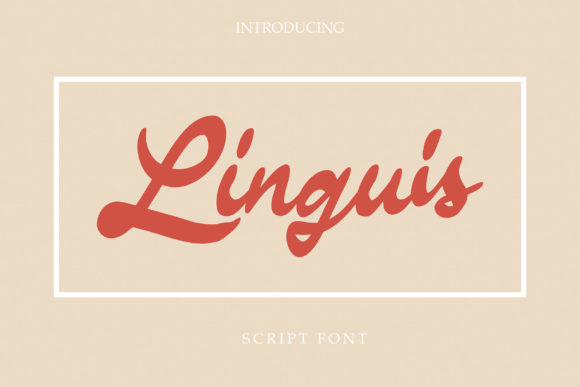
Linguis is designed with attention to detail, ensuring that each character flows naturally while maintaining legibility. The font’s curves are smooth and intentional, giving it a dynamic feel that sets it apart from other script fonts. Its uppercase and lowercase forms are distinct, allowing for greater flexibility in how it is used across different mediums.
The font also features ligatures and alternate characters, which add depth and variation to the text. These elements allow designers to create compositions that feel more organic and less repetitive. The overall structure of Linguis makes it suitable for both short phrases and longer paragraphs, provided the context aligns with its elegant nature.
Practical Applications of Linguis
One of the most common uses for Linguis is in invitation design. Whether for weddings, corporate events, or personal celebrations, this font adds a touch of class without overwhelming the reader. Its readability at smaller sizes makes it an excellent choice for RSVP cards, event programs, and formal letterheads.
In addition to invitations, Linguis works well on greeting cards and thank you notes. The font’s expressive style conveys warmth and sincerity, making it a popular choice for heartfelt messages. When paired with complementary colors and layouts, it can elevate a simple card into a meaningful keepsake.
Businesses also find value in using Linguis for branding purposes. Logos, business cards, and promotional materials benefit from the font’s ability to communicate creativity and refinement. It is especially effective when used in conjunction with minimalist designs, where the font becomes the focal point of the composition.
Advantages of Using Linguis
A key advantage of Linguis is its versatility. Unlike some script fonts that are limited to specific use cases, Linguis adapts well to various design contexts. Its balance between formality and flair makes it suitable for both traditional and contemporary projects.
Another benefit is its compatibility with different design software and platforms. Most major design tools support Linguis, allowing users to integrate it seamlessly into their workflow. This accessibility ensures that designers can experiment with the font without technical constraints.
Linguis also contributes to a cohesive visual identity. When used consistently across marketing materials, it helps reinforce brand recognition. Its distinctive style can differentiate a brand from competitors, creating a memorable impression in the minds of consumers.
Considerations for Effective Use
While Linguis is highly adaptable, it is important to consider the context in which it is used. In some cases, the font may not be the best choice for body text, as its intricate details can reduce readability at larger sizes or in dense blocks of text. However, when used strategically—such as in headings, titles, or short phrases—it can enhance the overall design without compromising clarity.
Designers should also pay attention to typography hierarchy. Pairing Linguis with a sans-serif or serif font can create a balanced composition, preventing the script from becoming visually overwhelming. This approach allows the font to shine while maintaining a professional and structured layout.
Additionally, the choice of color and background plays a significant role in how Linguis appears. Dark text on a light background often provides the best contrast, ensuring that the font remains legible and impactful. In digital formats, testing the font across different devices and screen sizes is essential to maintain its intended aesthetic.
Real-World Examples of Linguis in Action
Many designers have successfully incorporated Linguis into their work, showcasing its adaptability. For instance, a wedding planner might use the font on custom invitations, pairing it with soft pastel hues to evoke a romantic atmosphere. In this case, the font’s elegance complements the event’s theme, creating a cohesive visual language.
Another example is a boutique brand that uses Linguis for its logo and packaging. The font’s flowing characteristics align with the brand’s focus on artistry and craftsmanship. By using Linguis consistently, the brand establishes a strong identity that resonates with its target audience.
Even in more casual settings, Linguis finds its place. A blogger might use it for a headline on a website, adding a personal and artistic touch to the content. When used sparingly, the font enhances the visual appeal without detracting from the readability of the page.
Choosing the Right Style for Your Project
When selecting Linguis for a project, it’s helpful to explore the different styles available. Some variations may emphasize more ornate details, while others offer a cleaner, more modern look. Understanding these differences allows designers to choose the version that best suits their needs.
Testing the font in different scenarios is also beneficial. Creating mockups or sample designs can help visualize how Linguis will appear in the final product. This process ensures that the font aligns with the overall design vision and meets the project’s goals.
Finally, considering the target audience is crucial. A more traditional font may be preferred for certain industries, while a creative or artistic field might appreciate the uniqueness of Linguis. Matching the font’s personality with the intended message can significantly impact the effectiveness of the design.