Discover the Elegance of Laborious: A Handwritten Font for Every Design Need
In the world of design, typography plays a crucial role in conveying messages, setting moods, and creating visual appeal. One font that stands out for its elegance and delicacy is laborious. This handwritten font has gained popularity for its ability to add a personal touch to various design projects. Whether you're creating wedding invitations, thank you cards, or logos, laborious offers a unique style that can elevate your work. In this article, we'll explore what makes laborious special, how it can be used in different contexts, and why it's a valuable tool for designers and creatives.
What is Laborious?
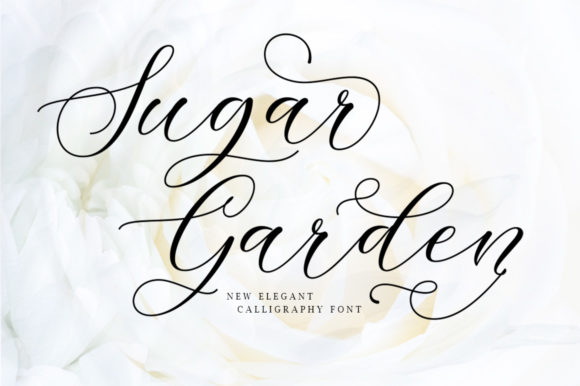
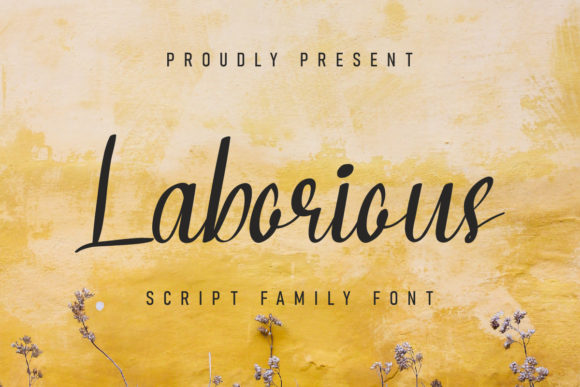
Laborious is a handwritten font that exudes a sense of refinement and artistry. Its delicate strokes and flowing lines give it a soft, elegant appearance that mimics the look of real handwriting. Unlike many other fonts that may feel rigid or impersonal, laborious brings a human element to any design. This font is particularly appealing for projects that require a personal or romantic touch, such as wedding invitations, greeting cards, or quotes.
The name "laborious" might seem a bit ironic given its graceful appearance, but it's a fitting choice. The font's intricate details and careful craftsmanship reflect the effort and care put into its creation. It's designed to be both beautiful and functional, making it a versatile option for a wide range of applications.
Key Features of Laborious
Laborious is not just about aesthetics; it also offers practical benefits that make it a favorite among designers. One of its standout features is its PUA encoding, which allows users to access all the glyphs and swashes with ease. This means that you can use the full range of characters and decorative elements without any limitations. Whether you need a simple letter or a complex ligature, laborious has you covered.
Another notable aspect of laborious is its handwritten style. This font is ideal for projects that require a more personal feel. For example, if you're designing a thank you card, using laborious can make the message feel more heartfelt and sincere. Similarly, in a business context, a logo or business card featuring laborious can convey a sense of creativity and attention to detail.
Additionally, laborious is available in multiple weights and styles, allowing you to choose the one that best suits your project. This flexibility ensures that you can maintain consistency across different design elements while still achieving a unique look.
Applications of Laborious in Modern Design
The versatility of laborious makes it suitable for a wide range of design applications. Let's take a closer look at some of the most common uses:
- Wedding Invitations: Laborious is perfect for wedding invitations because it adds a romantic and elegant touch. Its flowing lines and delicate details can enhance the overall aesthetic of the invitation, making it more memorable.
- Thank You Cards: When expressing gratitude, the right font can make a big difference. Laborious can help create a more personal and heartfelt message, making your thank you cards stand out.
- Quotes and Greeting Cards: Whether you're designing a quote for social media or a greeting card for a special occasion, laborious can add a touch of sophistication and charm.
- Logos and Business Cards: For businesses looking to convey creativity and professionalism, laborious can be an excellent choice for logos and business cards. It helps create a distinctive brand identity that resonates with customers.
- Other Design Projects: From packaging to signage, laborious can be used in various design projects where a handwritten touch is desired.
By incorporating laborious into these projects, designers can create visually appealing and emotionally engaging designs that resonate with their audience.
Why Choose Laborious Over Other Fonts?
While there are countless fonts available, laborious stands out for several reasons. First, its unique style sets it apart from more traditional or generic fonts. This makes it ideal for projects that require a distinctive look. Second, the ease of use provided by its PUA encoding ensures that designers can access all the necessary glyphs and swashes without any hassle.
Another advantage of laborious is its versatility. Whether you're working on a formal project or a casual design, this font can adapt to different styles and contexts. It's also easy to read, which is essential for ensuring that your message is clear and effective.
Finally, laborious is user-friendly. Even if you're new to typography, you can easily incorporate this font into your designs. Its intuitive design and clean lines make it accessible for both beginners and experienced designers alike.
Common Misconceptions About Handwritten Fonts
Despite their popularity, handwritten fonts like laborious are sometimes misunderstood. One common misconception is that they are difficult to read. However, with proper design choices, such as appropriate sizing and spacing, handwritten fonts can be just as legible as serif or sans-serif fonts.
Another misunderstanding is that handwritten fonts are only suitable for certain types of projects. In reality, they can be used in a wide range of contexts, from professional branding to personal projects. By understanding the strengths and limitations of each font, designers can make informed decisions that enhance their work.
Additionally, some people may assume that using a handwritten font will make their design look unprofessional. However, when used appropriately, these fonts can add a sense of authenticity and creativity that enhances the overall design.
How to Use Laborious in Your Designs
If you're interested in using laborious in your designs, there are a few tips to keep in mind. First, ensure that the font is properly installed on your system. Once installed, you can access it through your design software, such as Adobe Illustrator, Photoshop, or Canva.
When choosing the right weight and style, consider the purpose of your design. For example, a lighter weight may be more suitable for a wedding invitation, while a bolder style could work well for a logo. Experimenting with different sizes and colors can also help you achieve the desired effect.
It's also important to test your design in different formats. If you're creating a print project, make sure that the font looks good in black and white as well as color. For digital projects, check how the font appears on various devices and screen sizes.
Finally, don't be afraid to combine laborious with other fonts. Pairing it with a complementary typeface can create a balanced and visually appealing design. Just be mindful of maintaining a cohesive look throughout your project.
Conclusion
In conclusion, laborious is a remarkable handwritten font that combines elegance with functionality. Its unique style, ease of use, and versatility make it an excellent choice for a wide range of design projects. Whether you're creating wedding invitations, thank you cards, or logos, laborious can add a personal and artistic touch that enhances your work.
By understanding the features and applications of laborious, designers can make informed decisions that improve their creative output. As the demand for personalized and unique design continues to grow, fonts like laborious will play an increasingly important role in the design industry. So, if you're looking for a font that can bring a touch of elegance to your work, consider giving laborious a try. It might just be the perfect addition to your design toolkit.